

Elevate your low-carb entrées with this quick and easy recipe that delivers Asian-inspired flavor without sugar or honey!
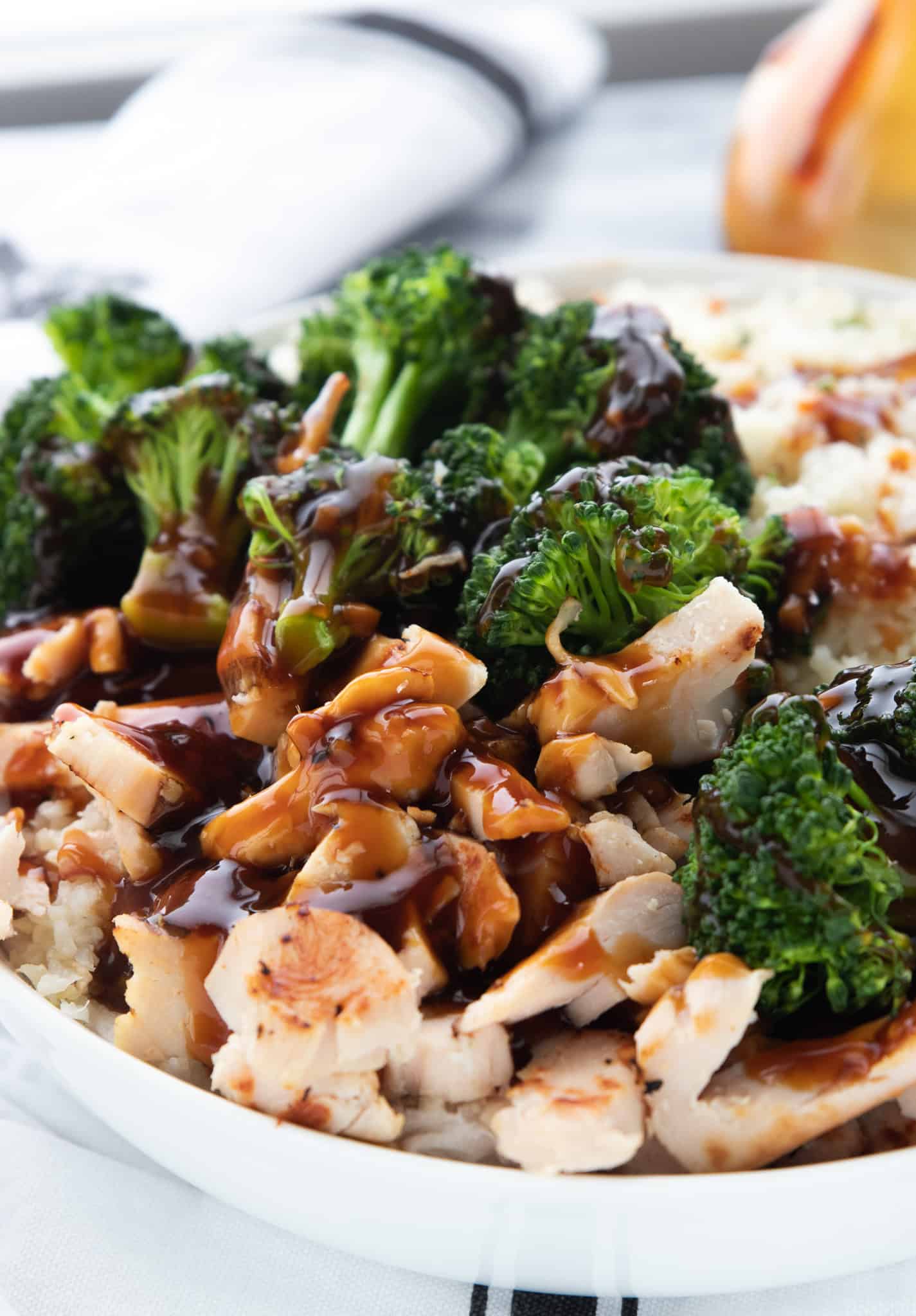
Teriyaki chicken used to be my go-to restaurant order. I always liked how the sauce’s sweet-and-savory flavors complemented the chicken and vegetables without overpowering them. I never even considered making my own teriyaki sauce at home until my partner and I embraced a low-carb lifestyle.
Finding store-bought sauces that nix the added sugar and starches has been one of our biggest challenges. So when he suggested cooking our own version of the sauce with sugar substitutes, I was game. I worried that it would be difficult to get two different sugar substitutes to dissolve and integrate with the other ingredients. But it turned out to be no issue at all! The secret was continuous whisking. All through the recipe steps, I was careful to whisk thoroughly before moving forward—especially when I made the thickening slurry.
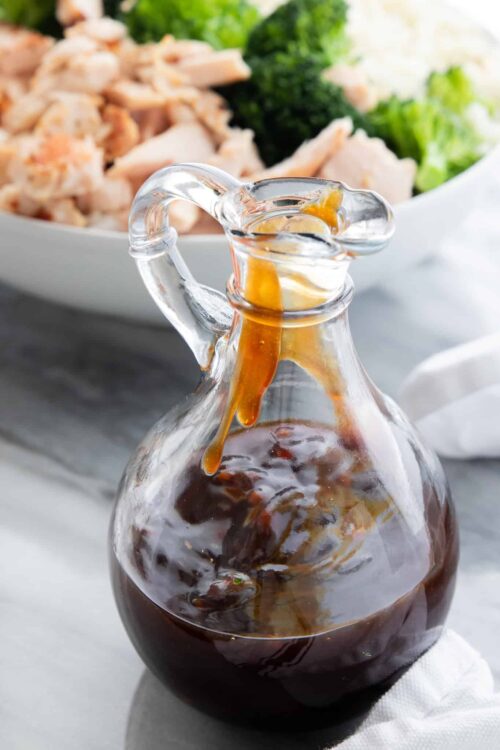
The result was a smooth, consistent sauce with a lovely, silky texture. And it has all the savory-sweet flavors of a classic teriyaki sauce. I love drizzling it over grilled chicken, oven-roasted pork chops, sautéed shrimp, and more! It’s also a great dipping sauce for chicken strips and other finger foods. But the best part about this dish is how it lets me enjoy so much flavor without tanking my low-carb goals.
The Americanization of teriyaki sauce
The roots of teriyaki sauce go all the way back to 17th-century Japan. Early cooks created a glaze for grilled fish from soy sauce and mirin—a sweet rice wine that adds depth and shine to sauces. Japanese immigrants who arrived in Hawaii during the late 19th and early 20th centuries brought the recipe with them and blended its traditional flavors with new ingredients they found on the islands. They added pineapple juice and brown sugar to classic glazes, creating the sweeter, thicker version Americans recognize today. As teriyaki gained fans, entrepreneurs opened teriyaki shops in cities like Seattle, where diners still see the sauce as a staple of the local food scene.
American home cooks quickly embraced teriyaki for its versatility, using it as a marinade, glaze, or dipping sauce. Food companies such as Kikkoman helped cement its popularity by bottling ready-made teriyaki sauces, distributing them nationwide, and inspiring fusion recipes. Teriyaki sauce now flavors everything from grilled meats to fast-casual bowls, proving that a classic Japanese dish can thrive as a uniquely American favorite.
How do I store leftovers?
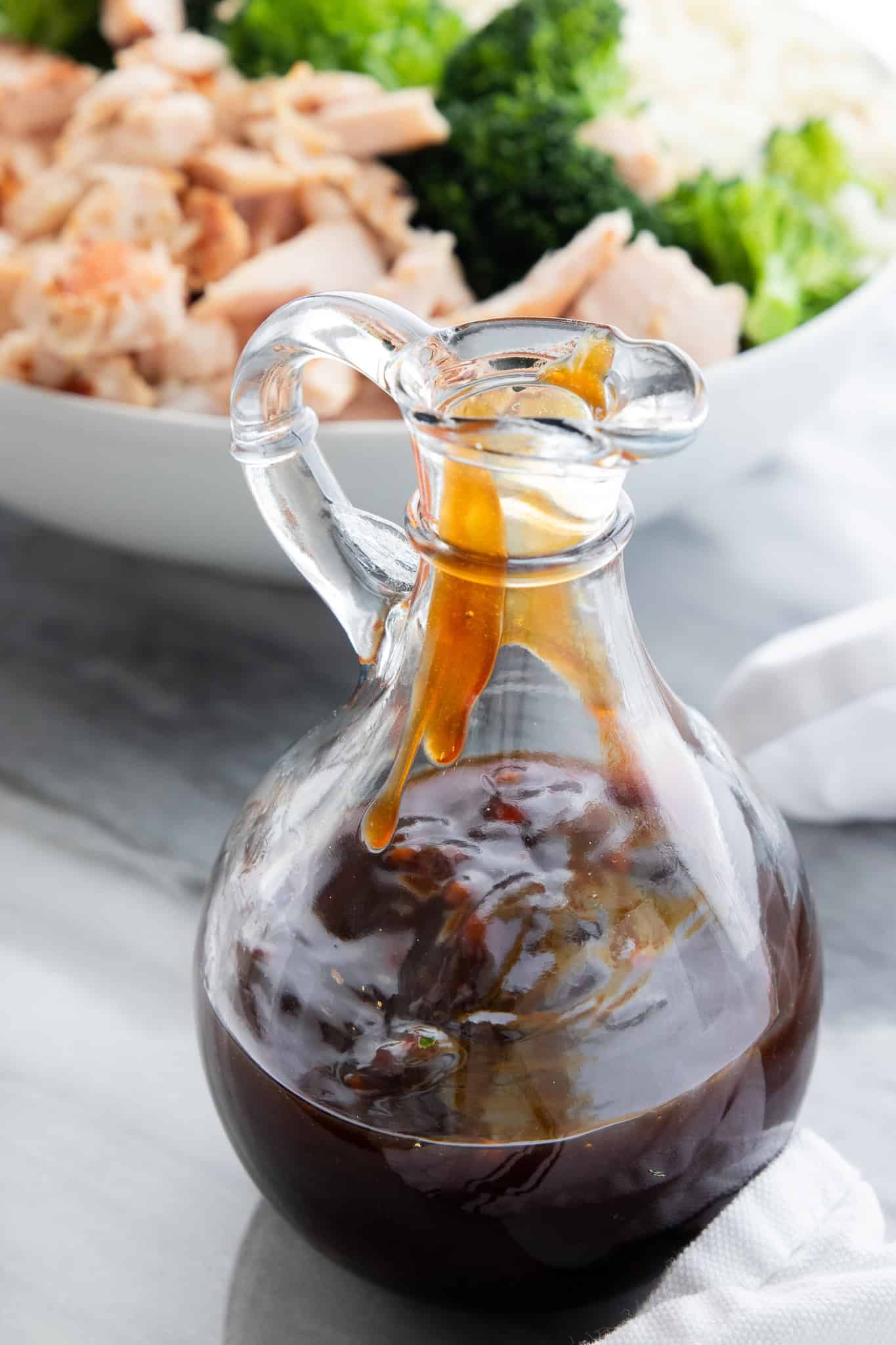
Once your teriyaki sauce has cooled to room temp, store it in an airtight container or glass jar in the fridge for up to 2 weeks. You can also freeze this sauce in a freezer-safe container or bag for up to 6 months. Thaw overnight in the fridge. Stir to recombine any ingredients that have separated, and gently reheat on the stovetop or in the microwave.
Similar recipes to try
Hungry for more sauce recipes that bring bold, low-carb flavors to the table? Check out this Keto Barbecue Sauce that skips the added sugar but delivers smoky, peppery complexity. This Copycat Keto Chick-Fil-A Sauce elevates your homemade finger food spread in mere minutes. And this Keto Cranberry Sauce Recipe brightens holiday meals and weeknight dinners alike with fresh flavors and a vibrant color.
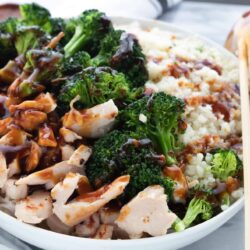
Sugar-Free Teriyaki Sauce

Ingredients
- 1/4 cup water
- 1/2 cup soy sauce or coconut aminos for gluten-free
- 1 tablespoon rice vinegar
- 4 teaspoons granulated erythritol
- 4 teaspoons brown sugar substitute
- 1 teaspoon garlic powder
- 1 tablespoon fresh ginger minced, or 3 teaspoons ground ginger
- 1 1/2 tablespoons arrowroot powder plus 3 tablespoons water, for thickening slurry
Instructions
- In a small saucepan, combine the water, soy sauce, rice vinegar, granulated erythritol, brown sugar substitute, garlic powder, and ginger.
- In a separate measuring cup, whisk together the arrowroot and water to make a slurry.
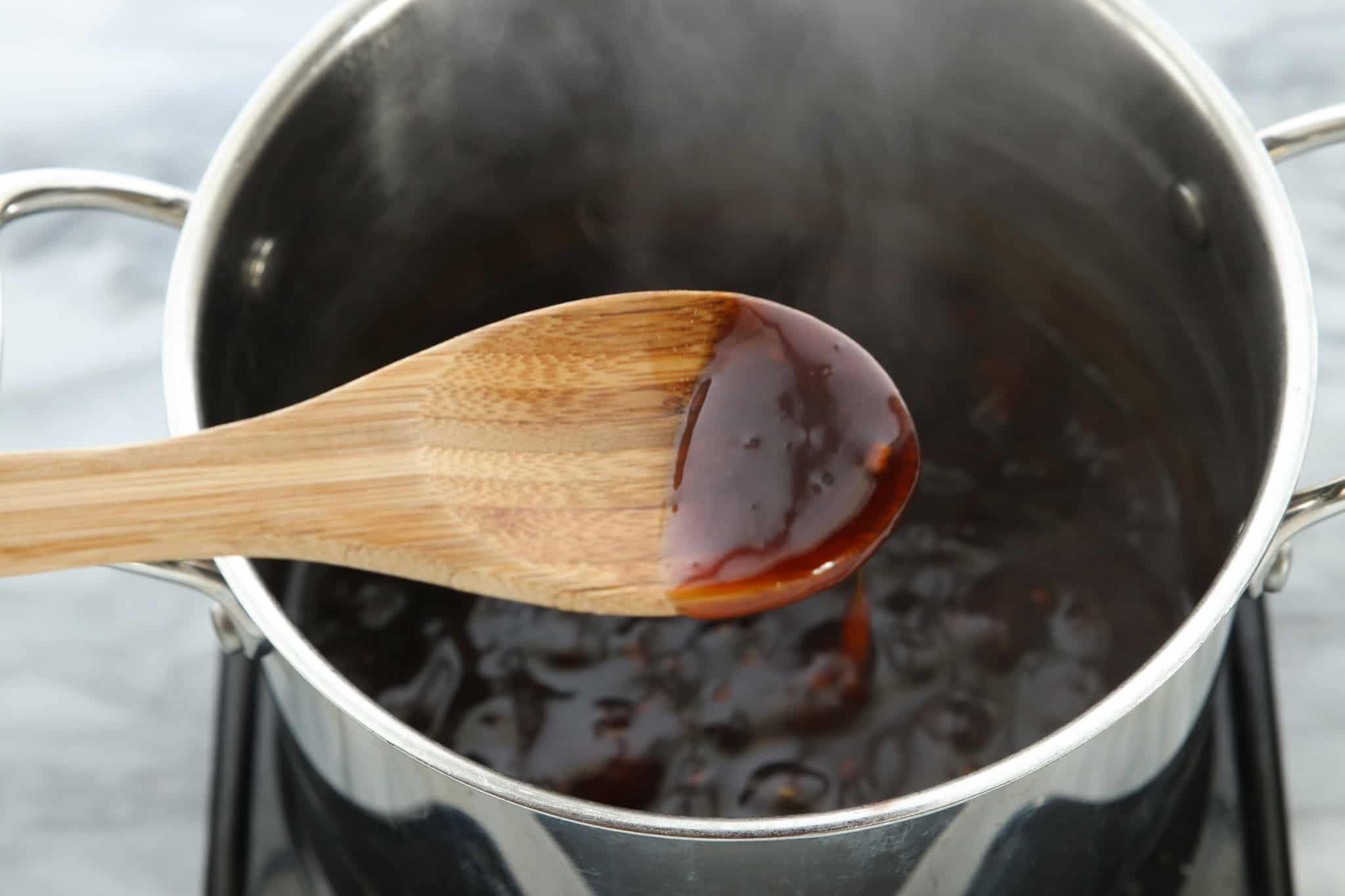
- Bring the sauce mixture to a low boil. Slowly whisk in the slurry. Continue cooking and whisking for about 1 minute, or until the sauce thickens to the point of coating the back of a spoon. It will continue to thicken as it cools.
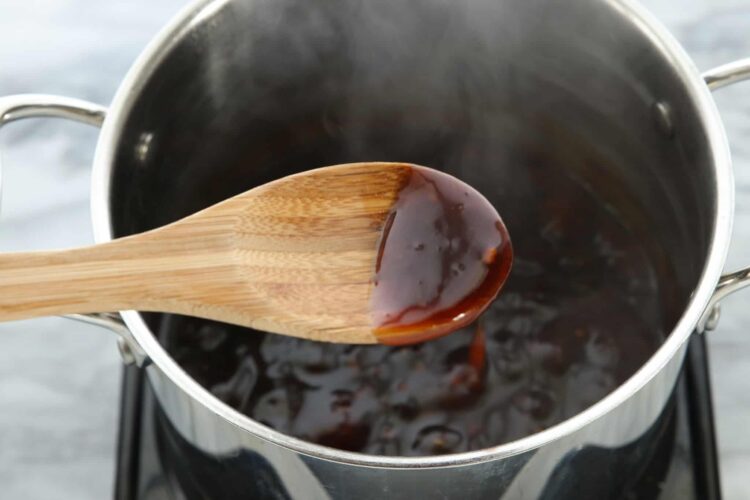
- Remove from the heat and let the sauce cool for 1-2 minutes. Taste and adjust the sweetness or seasonings to your liking. If you used fresh minced ginger, you can strain the sauce for a smoother texture, if you like.

Leave a Comment