

Want to instantly elevate your culinary skills? Learn this foundational technique to take any dish or cuisine to the next level!
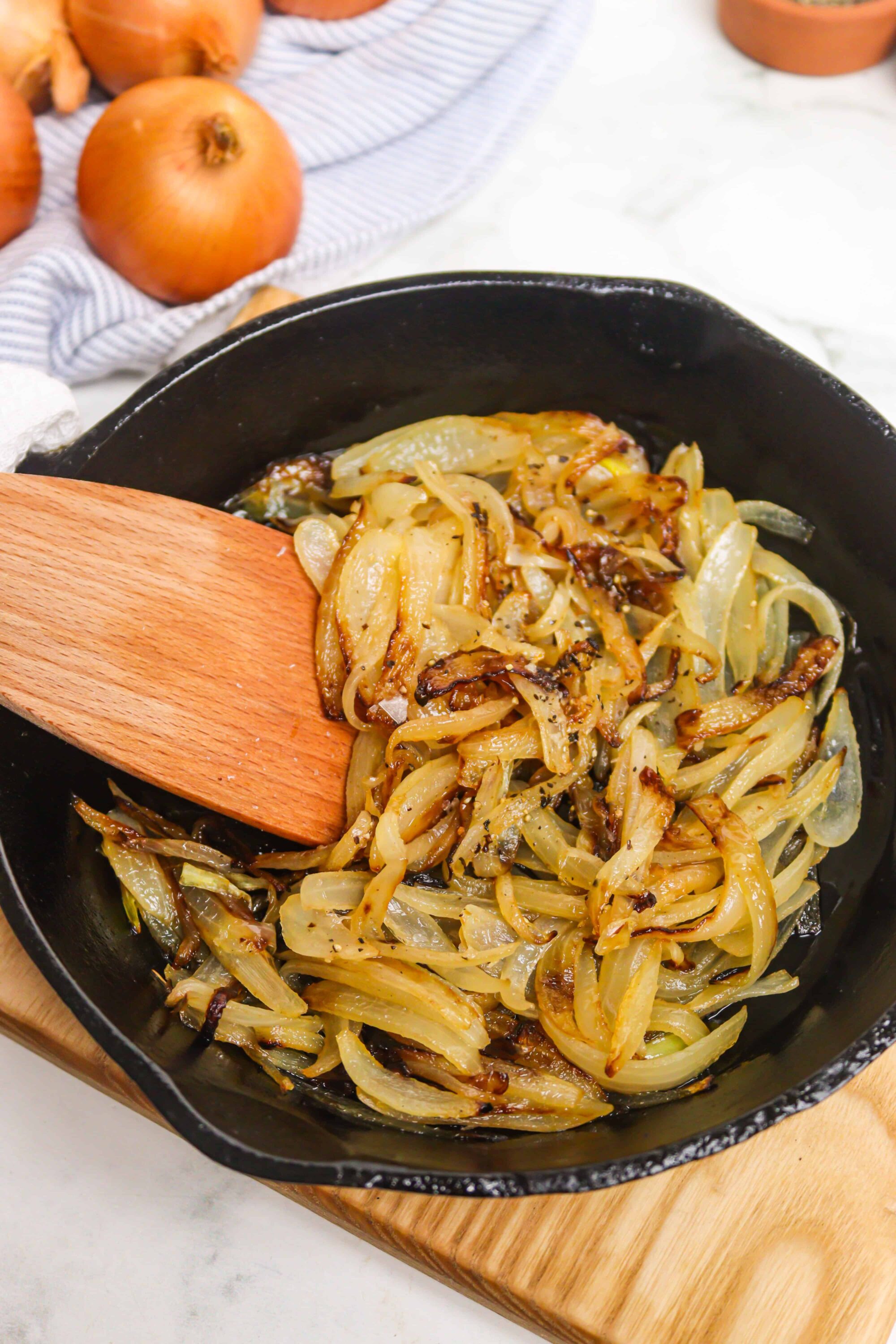
If there’s a secret ingredient to good food, it’s sautéed onions. They’re incredibly simple to make—but they have a mind-blowing impact on flavor. Onions have long been among my favorite vegetables. And once I learned how to sauté onions with confidence, all my culinary endeavors improved.
This is more of a tutorial than a recipe, per se. Its goal is to help you elevate your kitchen skills. This foundational technique unlocks the sweetness and complexity of raw onions while building a base for classic flavor profiles. From French onion soup to Indian curries, Italian ragùs to Mexican sofritos, omelets and stir-fries to casseroles and skillet meals—sautéed onions play a key role in countless dishes.
Gain instant expertise by mastering this technique. It’ll help you achieve richer flavors while feeling more confident at the stovetop.
Sautéing vs. caramelizing onions
Sautéed and caramelized onions may look similar, but they result from two very different kitchen techniques.
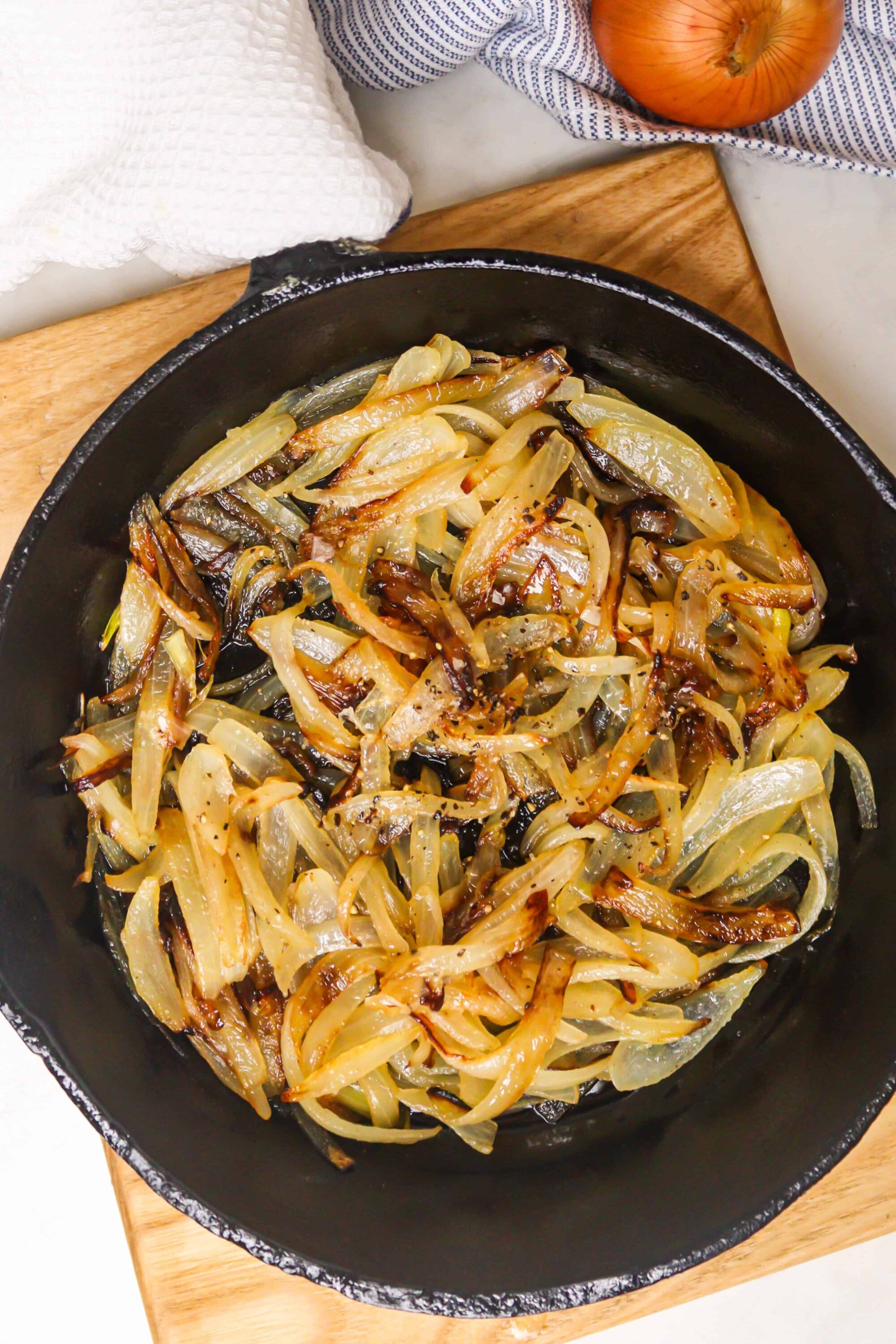
Sautéing is your go-to when you want soft, mellow onions in a hurry. It involves cooking quickly over medium or medium-high heat, often in about 10 minutes. The goal is to soften the onions and bring out a mild, slightly sweet flavor with light browning. Sautéing maintains some of the onions’ structure and gentle bite, making them perfect for stir-fries, soups, and quick toppings.
Caramelizing is more of a time investment with a big payoff in terms of flavor depth and sweetness. It’s all about low, slow cooking. By gently simmering the onions at low heat for 30–45 minutes—or more—natural sugars break down and turn jammy, sweet, and deeply brown. Caramelizing transforms the onion’s flavor, adding a rich complexity that’s great for French onion soup, burgers, and dips.
How do I store leftovers?
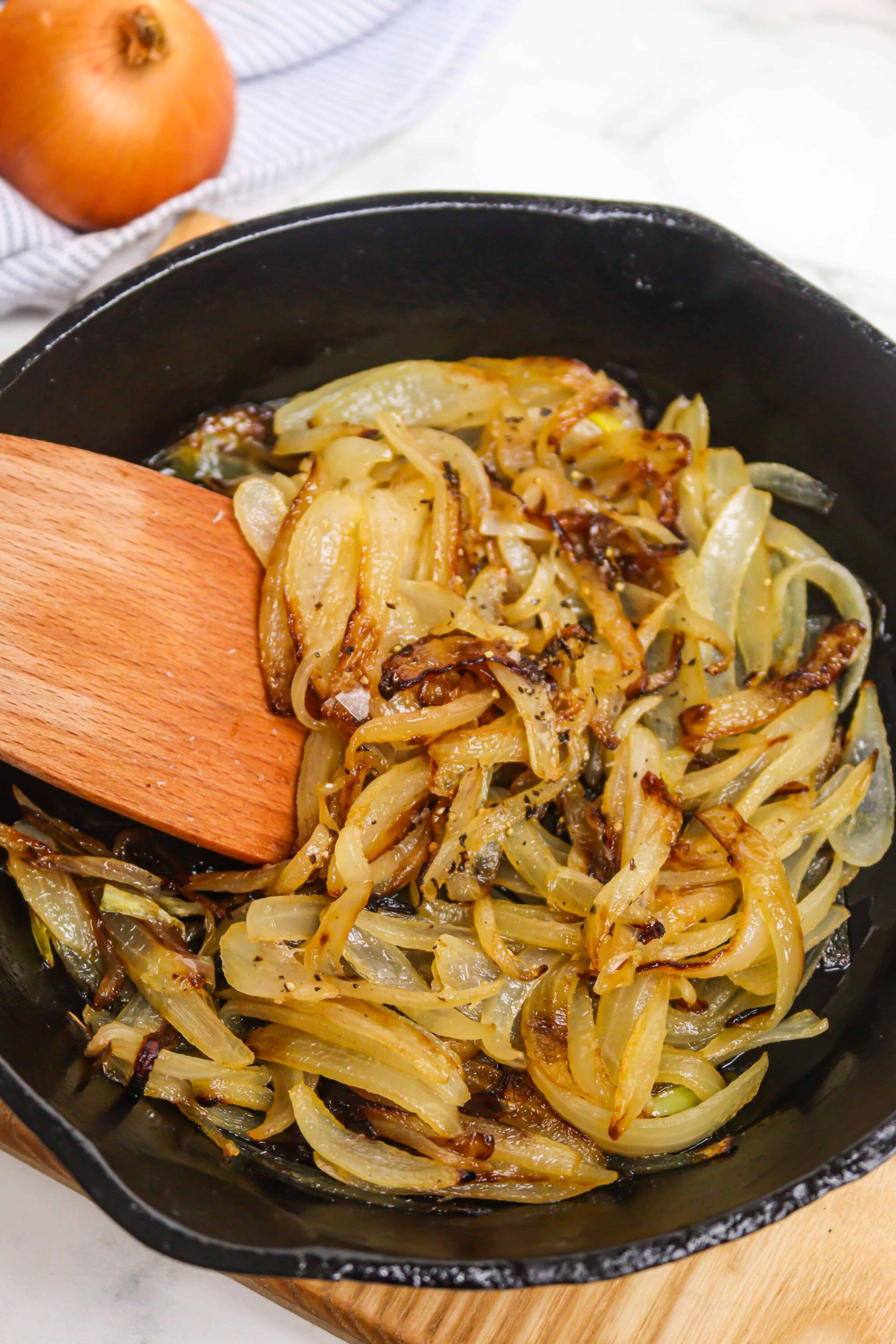
Let sautéed onions cool to room temp, then store leftovers in an airtight container or resealable bag in the fridge for up to 4 or 5 days. You can also freeze your onions for up to 3 months in freezer-safe containers, ice cube trays, or bags with as much air removed as possible. Thaw overnight in the fridge before using in a wide array of cooked dishes. Expect a softer texture after freezing and thawing.
Similar recipes to try
Hungry for more ways to develop your culinary skills? Skip the wheat-based breadings by learning How To Make Gluten-Free Breadcrumbs. Quickly solve last-minute dinner issues with this lesson on How To Cook Frozen Chicken In An Instant Pot. Give your veggie sides a hands-free glow-up by learning How To Roast Broccoli. Skip the store-bought jars and use up garden overflow with this quick and easy guide for How To Pickle Cucumbers.
How To Sauté Onions

Ingredients
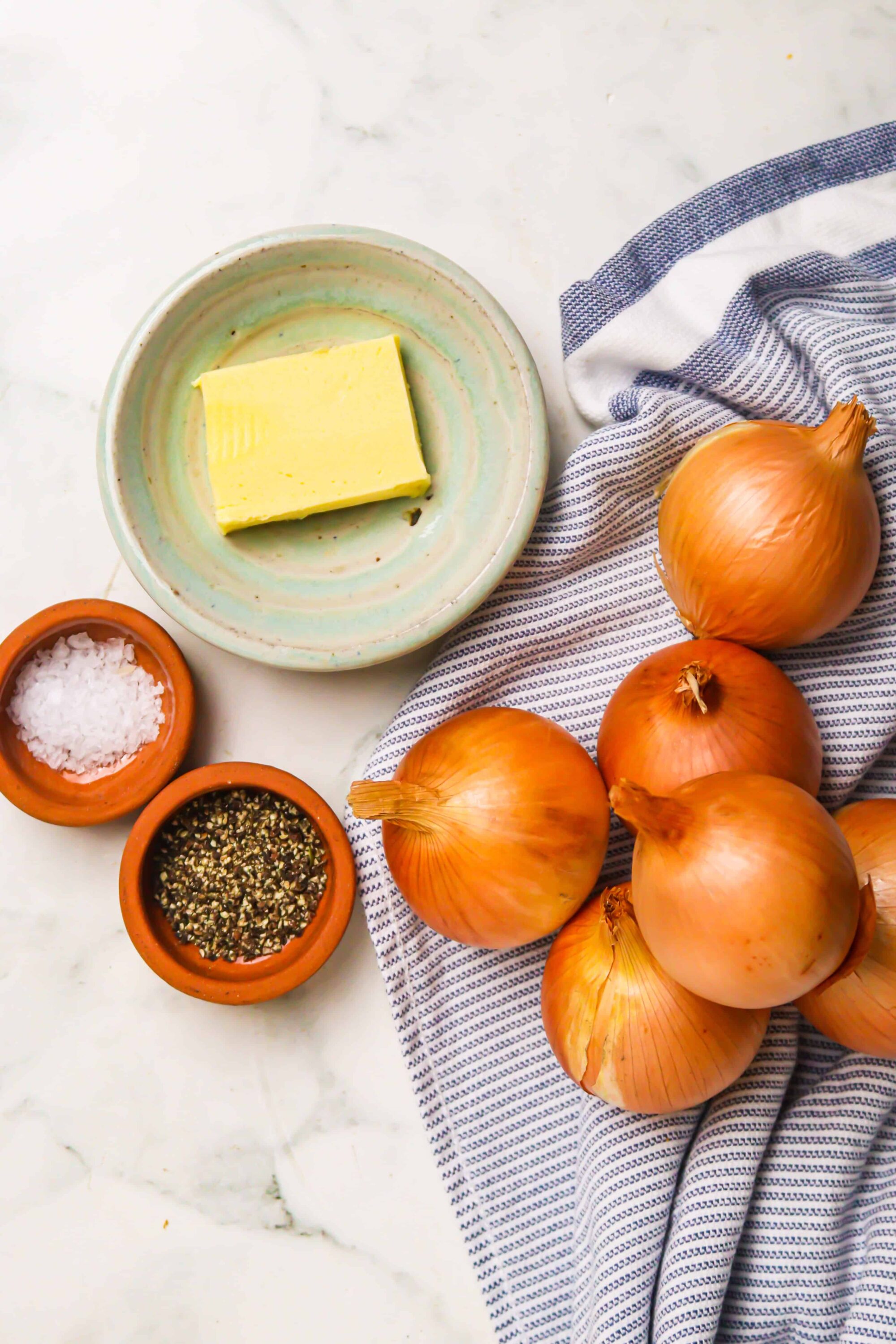
- 2 large sweet onions
- 2 tablespoons butter
- Salt and pepper to taste
Instructions
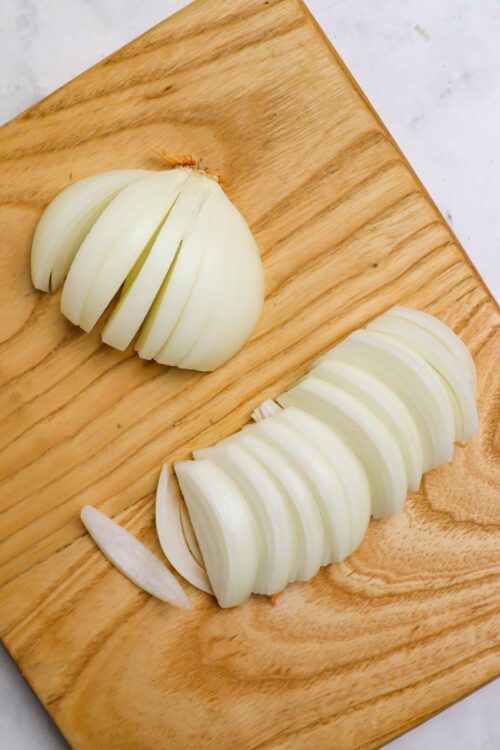
- Peel the onions and slice them evenly into thin wedges, half-moons, or rings, about 1/4-inch thick. Uniform pieces ensure even cooking.
- Heat a large nonstick or stainless-steel skillet over medium heat. Add the butter and let it melt until foamy, but not browned.
- Scatter the sliced onions in an even layer in the pan—avoid overcrowding to allow for proper browning. Cook in batches if necessary.
- Stir the onions to coat them in butter. Sauté for 2–3 minutes, stirring frequently, until the onions are glossy and just starting to soften.
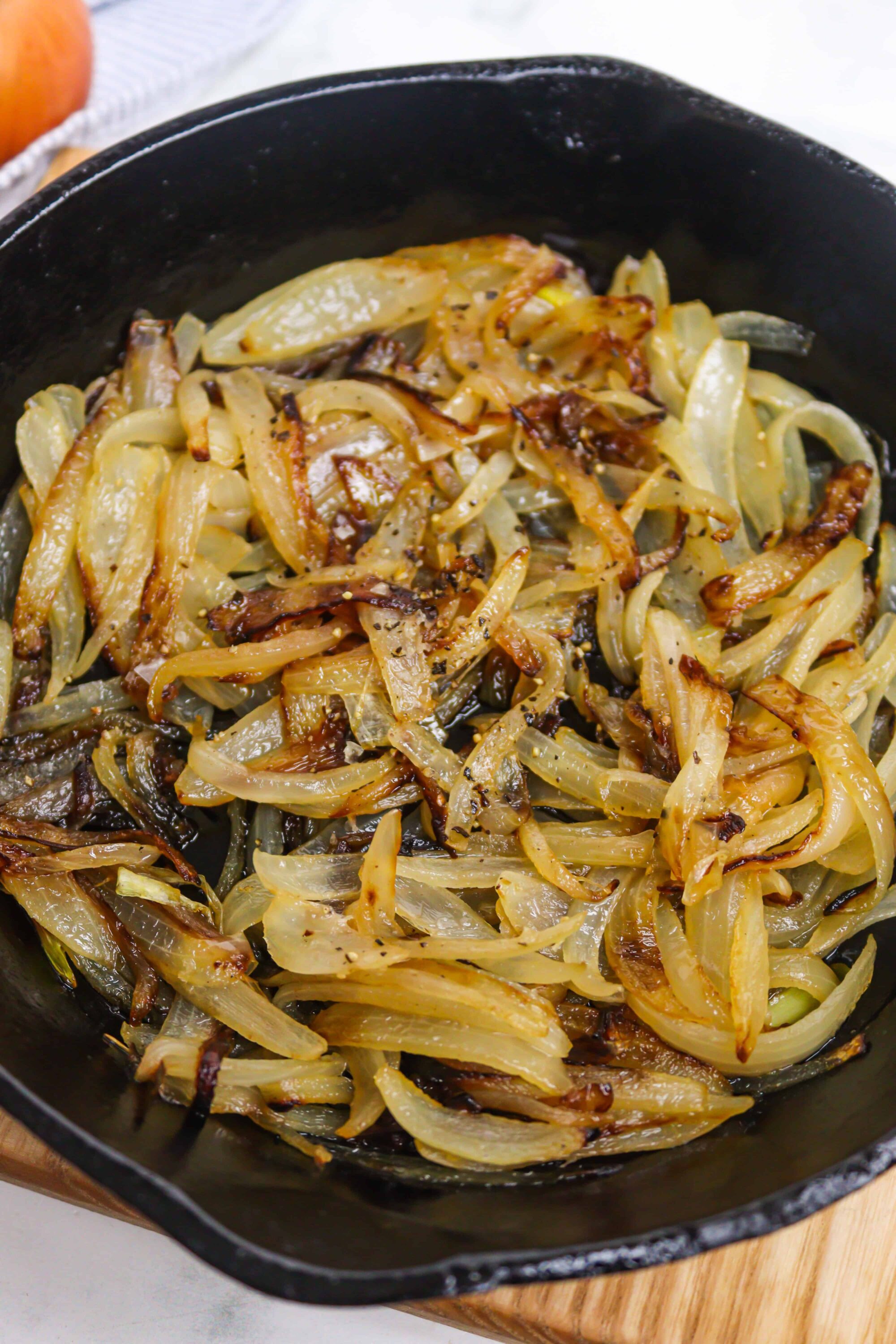
- Reduce heat to medium-low. Continue cooking for 5–8 minutes, stirring every minute or 2, until the onions are translucent and develop a light golden color at the edges. If the onions begin to brown too quickly or stick to the pan, lower the heat and add a splash of water.
- Season to taste with salt and pepper and serve as desired.

Leave a Comment