

Impress your family and friends with this decadent dish that’s easier to make than its fancy appearance suggests!
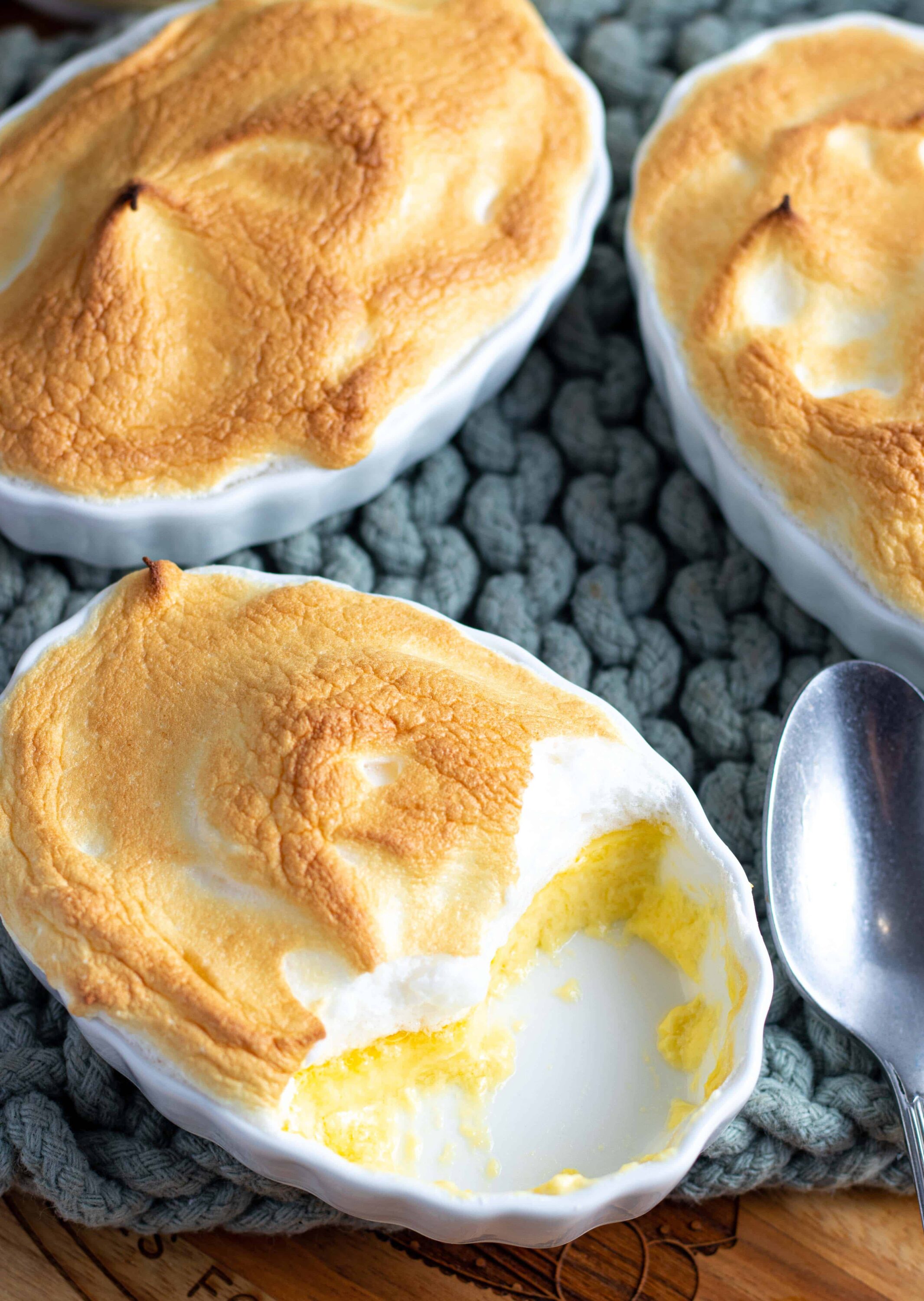
I was a real chocoholic as a kid. But as I’ve gotten older, I’ve come to appreciate non-chocolate desserts as well. There’s something deeply satisfying about creamy vanilla flavors, fruity freshness, and rich caramel decadence.
This recipe for a keto vanilla custard dessert is one of the most grown-up sweet dishes I’ve ever made. It involves two techniques I’ve wanted to master for some time: tempering eggs and making meringue. I was intimidated by those processes for years—but now that I’ve done them, I realize they’re not all that difficult!
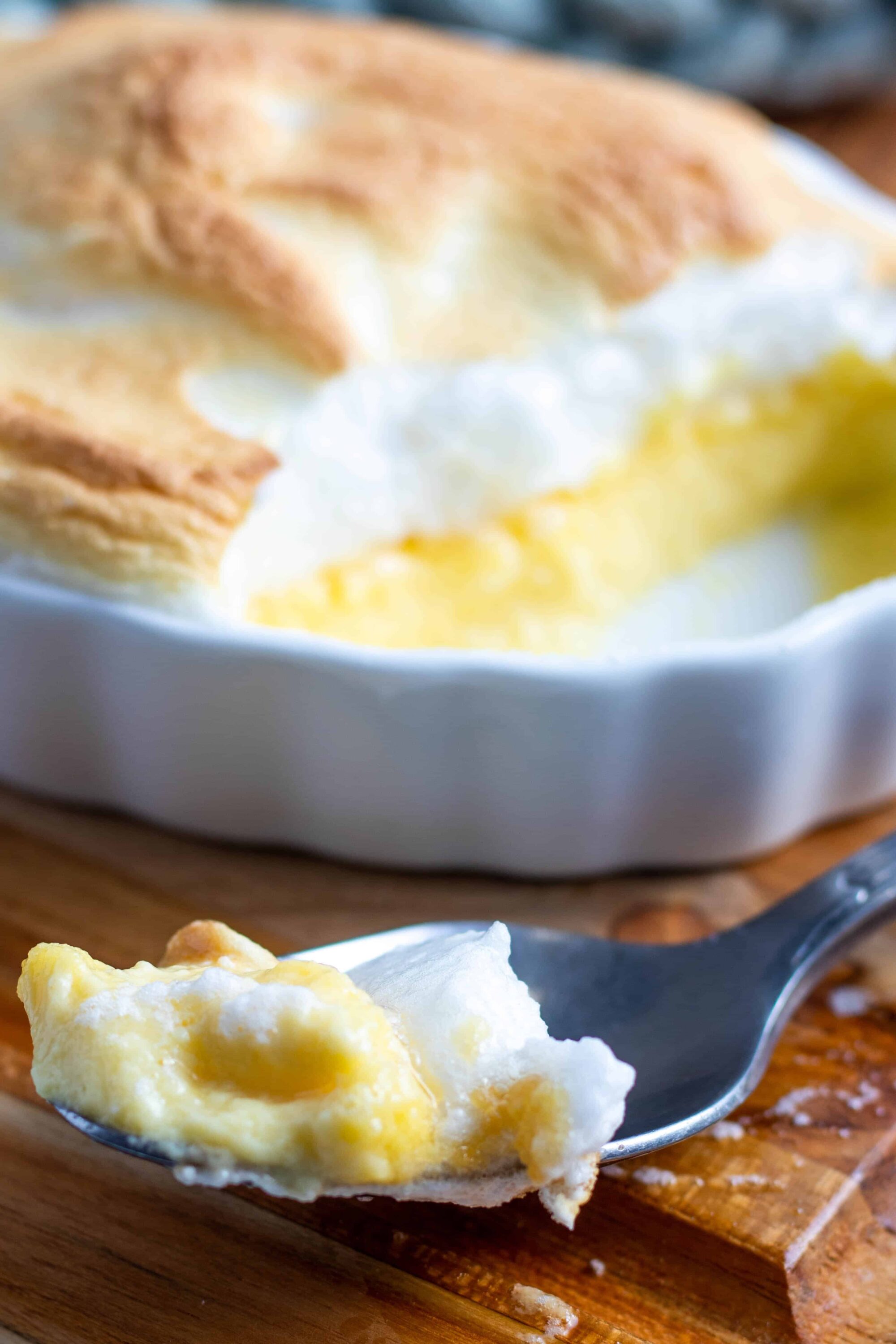
You’ll be as surprised as I was at how quickly and easily this dessert comes together. And there’s just no arguing with the mouthwatering results. Each bite delivers rich creaminess with deep vanilla notes. It seems that the collagen powder brings in more nuance and depth than vanilla extract, which I didn’t expect. And the meringue adds an ethereal, cloud-like element! It’s a little smoky and caramel-like at first from the broiling, then it melts onto the tongue with bright sweetness. Paired with the creamy texture of the custard, it creates a downright dreamy dessert.
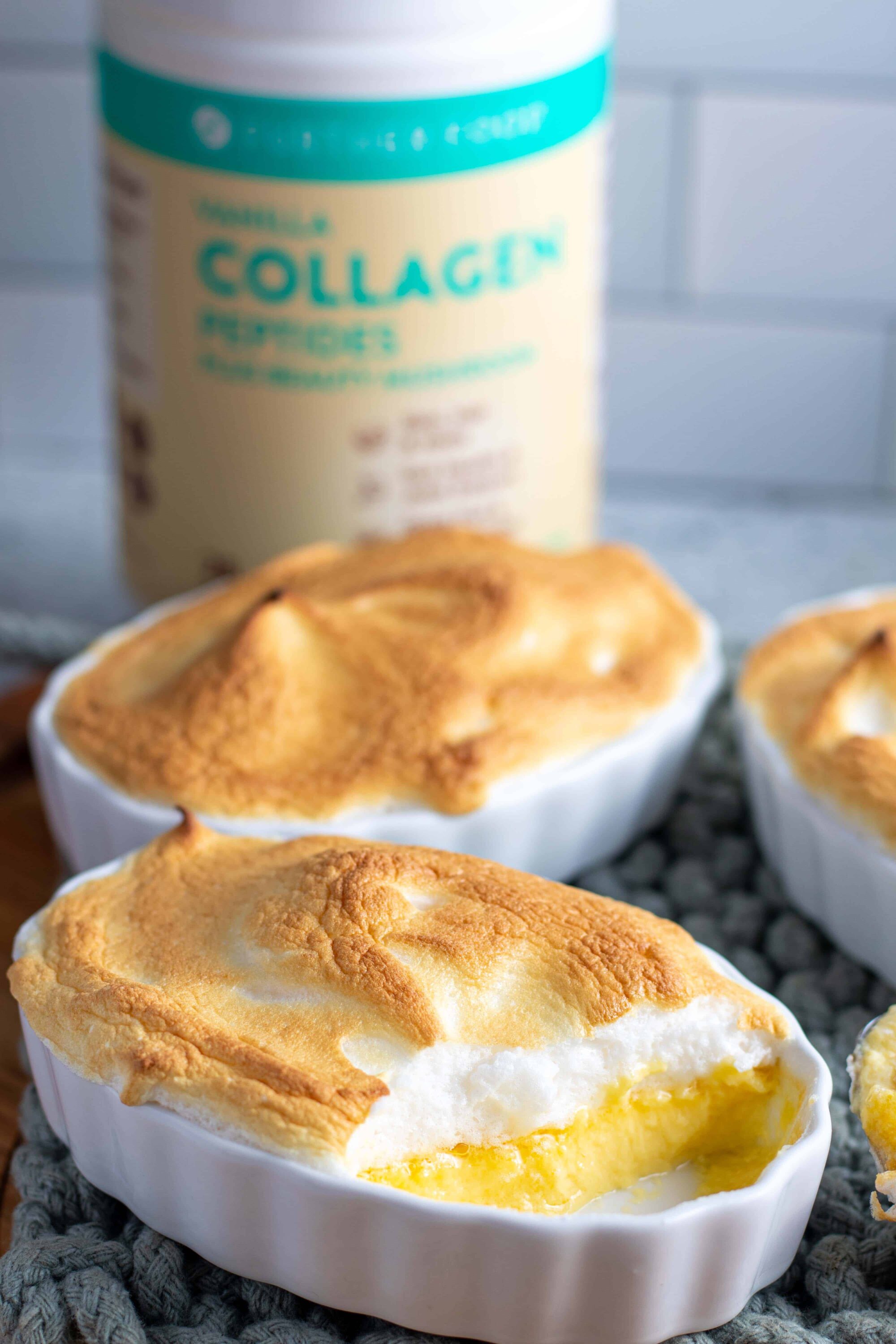
How to crown your custard with golden meringue
For a crowning glory on your custard, use the egg whites that you separated from the yolks to make meringue. You’ll need two to three tablespoons of granular sweetener, and I like to add a pinch of cream of tartar as a stabilizer. Also, your egg whites should be at room temp for the best results.
Here’s a step-by-step walk-through of the entire process:
- Place all five egg whites in a clean, dry mixing bowl or the bowl of a stand mixer.
- Add the cream of tartar (optional).
- Whisk or beat on high speed until soft peaks form.
- While still beating, gradually add the granular sweetener.
- Continue beating until stiff peaks form and the meringue becomes glossy.
- Divide and spread the meringue over your cooked, cooled custards, making sure to get it all the way to the edges and seal it against the rim.
- Place the ramekins on a baking sheet. Broil until the meringue is golden, which only takes about two or three minutes. Watch closely—do not walk away—to prevent burning.
- Remove from the broiler and let the custards cool briefly before serving.
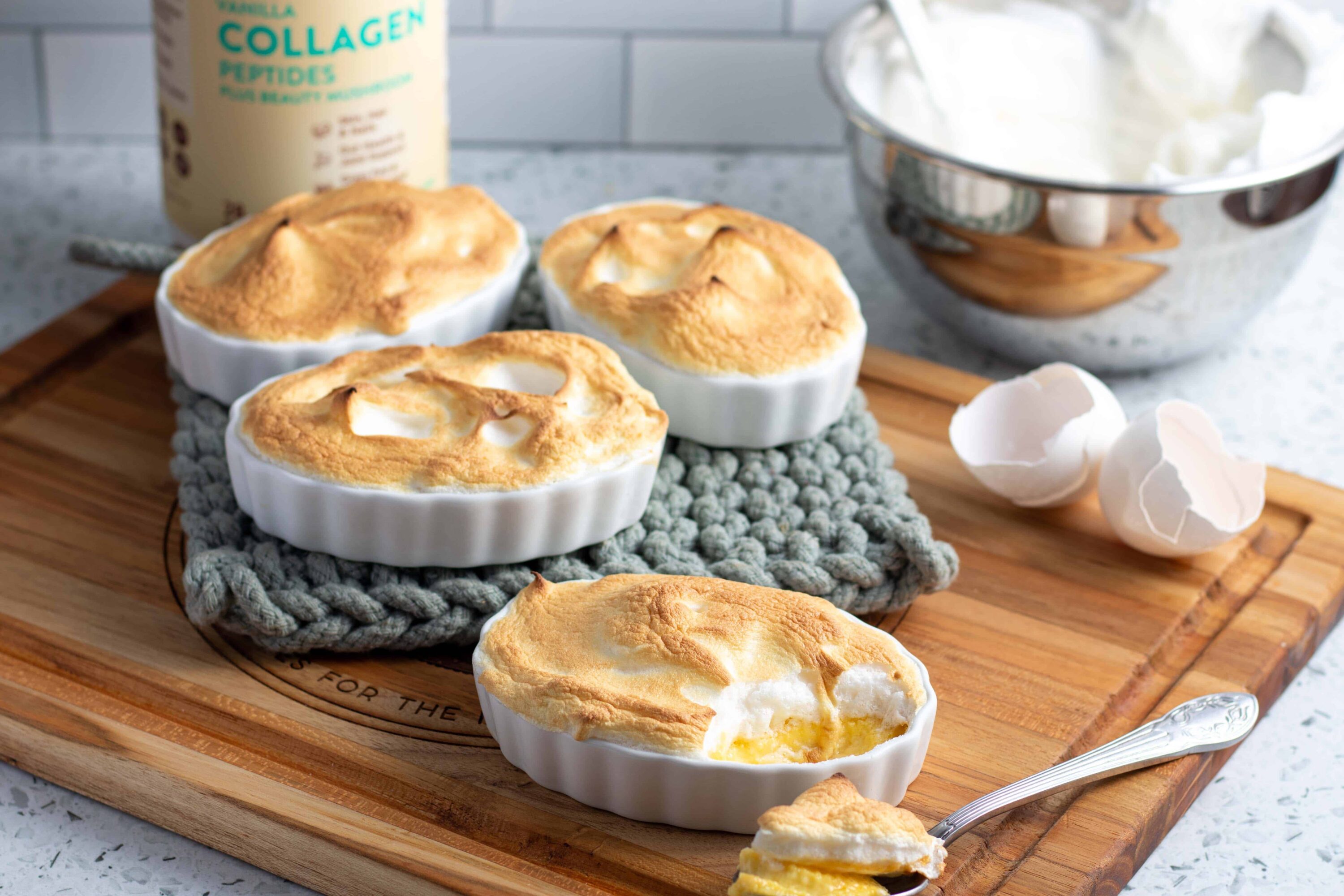
How do I store leftovers?
After your custards have completely cooled, cover them tightly with plastic wrap or place them in an airtight container. Store them in the fridge for up to 5 days. The meringue may gradually lose its crispness and begin to “weep” (release liquid) after the first day or two, but the dessert will still be safe to eat and delicious. You can freeze custard that is not topped with meringue in a freezer-safe, airtight container for up to 1 month. Thaw in the fridge overnight and stir to restore creaminess before serving. Custards topped with meringue do not freeze well, as the freeze-thaw process can cause the components to separate, turn watery, or become rubbery.
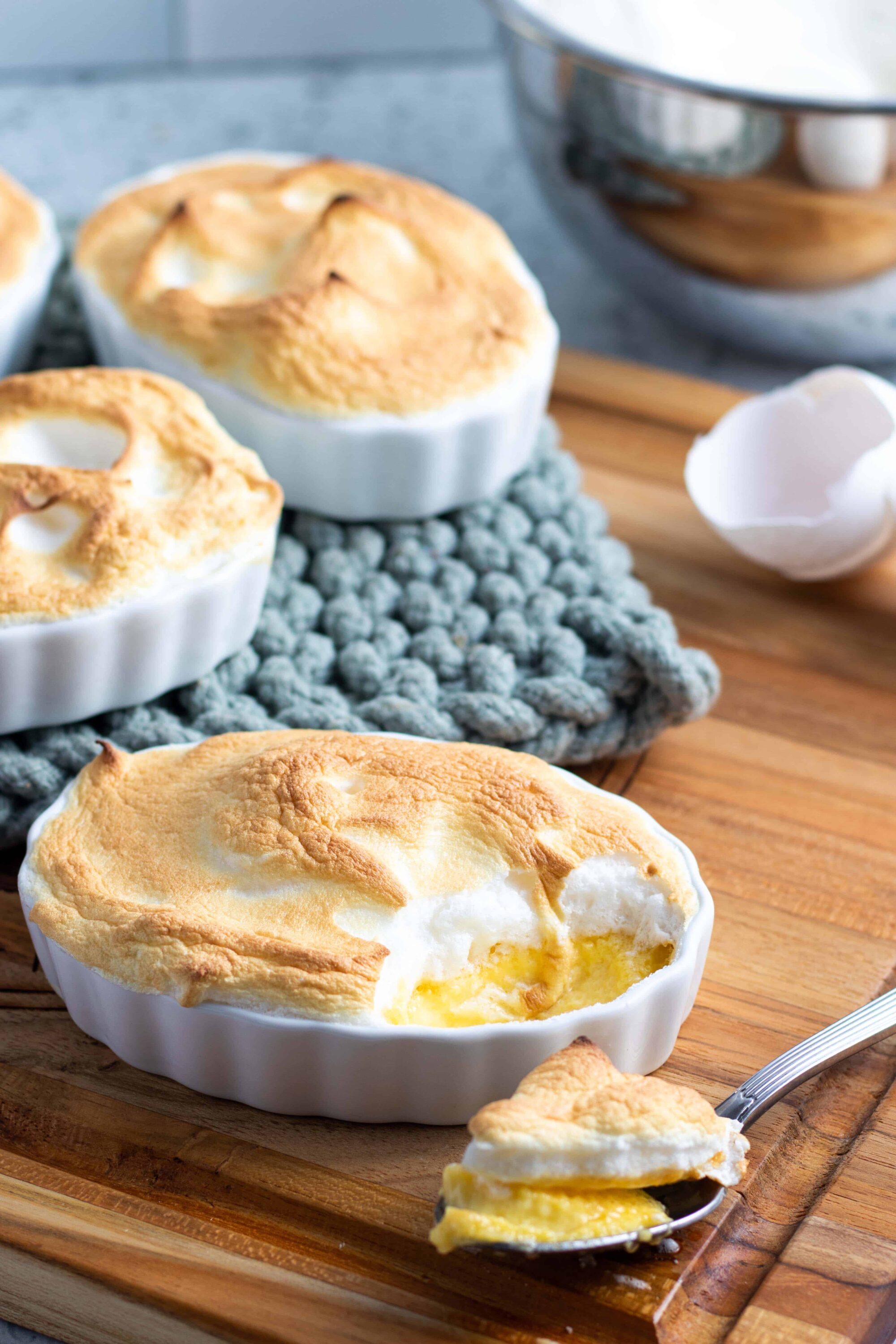
Similar recipes to try
Hungry for more desserts that look fancy but are surprisingly easy to make? Check out this recipe for Keto Chocolate Custard—Pot de Crème. It’s basically a chocolate version of crème brûlée, with a silky custard under a caramelized topping that always elicits “oohs” from dinner guests. Or go for this Low-Carb Chocolate Covered Strawberry Cheesecake that looks as decadent as it tastes. If you’re enjoying your meringue-making skills, try this recipe for Keto Chocolate Pie With Meringue for a delicious change of pace.
Keto Vanilla Custard Dessert

Ingredients
- 1/4 cup + 1 tablespoon powdered sweetener
- 5 egg yolks
- 1 1/2 cups half-and-half
- 4 scoops Further Food Vanilla Collagen Peptides
Instructions
- Preheat oven to 325°F.
- In a small bowl, whisk the powdered sweetener into the egg yolks. Set aside.
- In a small pan, heat the half-and-half over medium heat until it is warm to the touch, which should take about 2-3 minutes. Be careful not to boil or burn the cream.
- As soon as the cream is warm, remove it from the heat. Temper the eggs by slowly whisking 1 tablespoon of the warm cream into the egg and sweetener mixture. Repeat this step 2 more times to fully temper the eggs.
- Slowly add the tempered egg yolk mixture to the pan with the remaining cream. Whisk until the mixture is smooth and silky. Add the collagen powder and whisk again until it is fully dissolved.
- Line up the ramekins on a rimmed baking sheet. Carefully pour the custard into each ramekin until they are about 2/3 full.
- Pull the oven rack out so that it is fully extended outside the oven. Place the baking sheet with the ramekins on the rack. Being careful not to get any water inside the ramekins, add enough water to the baking sheet to come halfway up the outsides of the ramekins. (The amount of water will vary depending on the size of your ramekins.)
- Carefully slide the rack into the oven. Bake until the edges of the custard are set and the centers jiggle only slightly when you gently shake the ramekins, about 25 minutes. If they look liquidy in the middle, give them another 3–5 minutes.
- Remove the baking sheet from the oven. Use tongs or oven mitts to lift the ramekins out of the water bath so they don't keep cooking. Let them cool at room temperature for at least 30 minutes.
- Serve your custard at room temp, or cover the ramekins with plastic wrap and refrigerate them for at least 2 hours or up to overnight for thicker, firmer custard.

Ooh, this looks great. Do you think it would work as a lemon pudding meringue recipe? If so, what do you recommend to do that? (Type of lemon flavoring and amount). Thanks!
Hi Kathy, think it would work well. You could add 1–2 teaspoons of lemon zest and 1 tablespoon of fresh lemon juice to the custard. For a meringue topping, whip 2–3 egg whites with 2 tablespoons of powdered sweetener until stiff peaks form, then broil for a golden finish. Let me know how it turns out!